
As our societies grapple with escalating environmental challenges, it’s becoming more important than ever to harness the power of innovation to ensure a greener, cleaner future for Australia.
This feature explores the captivating world of transformative waste technologies revolutionising our relationship with rubbish.
The promise of Biochar and potential of Waste-to- Energy technologies, and are all reshaping our understanding of waste.
Prepare to enter a world where the waste of today could well be the treasure of tomorrow.
Biochar Production is an emerging technology making waves by turning biomass into carbon-rich materials.
Biochar is a carbon-rich product made from biomass via pyrolysis. It can be added to soil to improve fertility and carbon sequestration, and it also reduces greenhouse gas emissions from biomass.
Biochar presents remarkable opportunities for waste management, agriculture, and climate change mitigation. Its production via pyrolysis not only reduces the volume of organic waste but also effectively locks the carbon within, preventing it from being released back into the atmosphere as CO2. This property makes biochar an attractive tool in the fight against climate change, as its application contributes to long-term carbon sequestration.

However, the promising prospects of biochar are met with certain challenges. Producing biochar at a large scale could pose logistical problems, such as securing a steady supply of feedstock and arranging for its transportation. Also, the energy required for the pyrolysis process is significant, which could impact the carbon-saving benefits of biochar if not managed efficiently.
The market acceptance of biochar also presents a hurdle. Although the agricultural benefits of biochar are well-documented, convincing farmers and other potential users to adopt this relatively new product is not without difficulties. There is a need for awareness-raising and education about its benefits and proper use.
Plastic Pyrolysis is a process of breaking down plastic waste at high temperatures in an oxygen-free environment. This technology can convert waste plastic into fuel, waxes, and oils.
- Global Market Insights Report Jun 2023
Pyrolysis, a process that converts plastic waste into valuable resources, has been attracting considerable attention from both industry professionals and scientists in recent years.
It's potential to be a versatile platform for waste management has generated significant interest.
However, it's important to note that pyrolysis is still in the early stages of development, and it can be challenging to fine-tune this process for efficient and selective waste conversion, especially for viable commercial production.
In light of this, researchers are exploring the potential for pyrolysis to convert plastic waste into naphtha or plastic monomers.
These can then be used in the manufacturing of new plastic, creating a closed-loop resource recovery pathway.
But while pyrolysis shows promise, there is still much to understand about its full potential and environmental impact.
As highlighted in the comprehensive state-of-the-art review 'Pyrolysis Technology for Plastic Waste Recycling' by Leilei Dai et al., published in the November 2022 issue of 'Progress in Energy and Combustion Science', there has been no detailed analysis of plastic waste recycling or upcycling via pyrolysis to date. This indicates that further research is necessary in this emerging field.

Plasma gasification is an advanced waste-to-energy technology that uses extremely high temperatures in an oxygen-starved environment to decompose waste material into simple molecules in a process similar to pyrolysis.
The primary difference between plasma gasification and traditional gasification or incineration methods is the use of plasma - a superheated, electrically charged gas - to facilitate the process.
Plasma gasification has immense potential to revolutionise waste management. Its ability to reduce waste volume by an estimated 70-80% promises to alleviate the burden on our overflowing landfills.
In addition to its waste minimisation capability, plasma gasification offers an innovative approach to energy generation. This technology can convert a diverse range of waste into synthesis gas, a valuable resource for electricity generation or conversion into biofuels and chemicals. What sets plasma gasification apart is its eco-friendly approach.
It's closed-loop operation results in minimal emissions, while the safe handling of hazardous wastes further reduces environmental impacts. Even the byproduct of the process, vitrified slag, can be repurposed in construction. The versatility of plasma gasification is yet another selling point; it can manage everything from solid waste and biomass to hazardous and medical waste.
Despite the clear benefits, plasma gasification must overcome several challenges. The high initial cost of constructing and operating the plants, owing to the technology's sophistication, may deter investment. The electricity required to generate plasma also adds to the operational expenses. The complexity of the technology calls for significant expertise for efficient operation and maintenance. Another challenge lies in the inconsistency of waste streams; the varying composition of waste can lead to fluctuations in energy output, which complicates process efficiency.
Regulatory hurdles may also arise due to the novelty of the technology and the diversity of waste streams it can process. Lastly, public perception can pose a challenge. Misconceptions that link plasma gasification with traditional incineration techniques — often associated with air pollution and health risks — might cause resistance, underscoring the importance of accurate information dissemination to gain public acceptance.
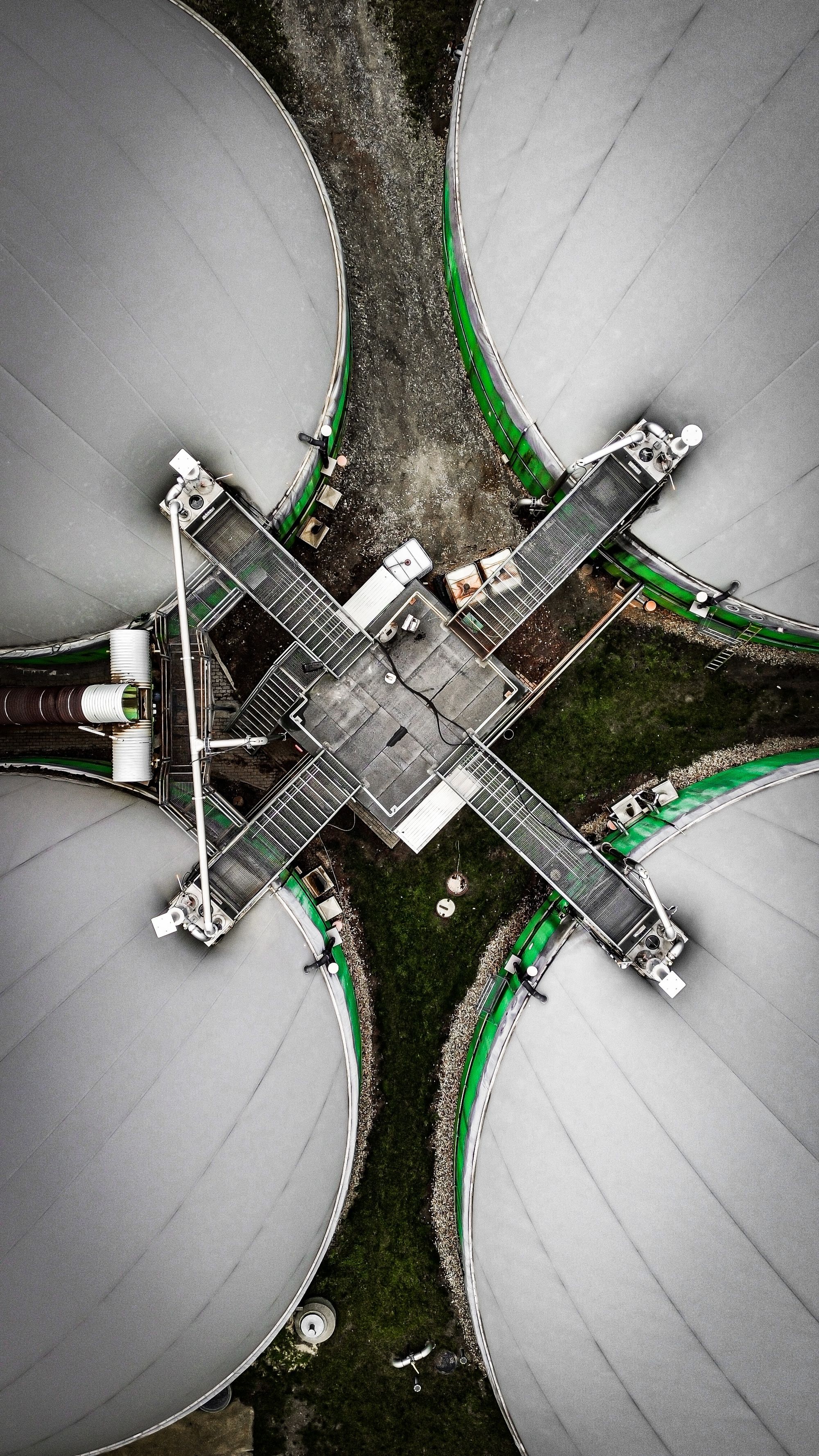
Waste To Energy - this suite of technologies transforms non-recyclable waste substances into practical forms of energy such as heat, electricity, or fuel. They achieve this through several methods, encompassing combustion, gasification, anaerobic digestion, and the recovery of landfill gas.
Waste-to-energy technologies face numerous challenges. These technologies often exhibit lower energy conversion efficiencies compared to traditional energy generation methods. High upfront costs and significant ongoing operational expenses further challenge their economic viability, especially in regions where landfill disposal is cheaper or where there needs to be supportive policy frameworks in place.
Social acceptance is another obstacle, with waste-to-energy facilities sometimes seen as harmful to the environment and public health. Critics also argue that these technologies can conflict with the waste hierarchy principle, which prioritises waste prevention, reduction, and recycling over energy recovery and disposal.
On the technical front, waste-to-energy processes can encounter issues like handling the heterogeneous nature of waste, managing residues, and maintaining stable operation. Nonetheless, continuous advancements are enhancing the efficiency, environmental friendliness, and economic viability of waste-to-energy technologies, which could expand their role in future sustainable waste management and energy generation.’
As Australia strides towards its Net Zero goals, transformative waste technologies may hold the keys to a more sustainable future.
Harnessing the alchemical power of waste could have profound implications not only for managing our refuse but also for reducing our reliance on virgin resources and fossil fuels.
Each of these inventive technologies - from Waste To Fuel technologies promise of transforming our rubbish into power to Biochar's potential for sequestering carbon and enriching our soils - offers a fresh perspective on the future of waste.
While these technologies are still developing and further research is needed to fully understand their potential and environmental impacts, they represent a promising shift in our approach to waste. They remind us that on the path to achieving Net Zero, every bit of resource counts - even those we've traditionally viewed as 'waste'.
These transformations are not merely about better waste management; they signal a broader paradigm shift in viewing waste not as a problem, but as a potential solution. As we continue to navigate our way towards a more sustainable Australia, these innovations offer hope that the journey to Net Zero could be paved with the waste we transform into worth.
References:
Data and insights for this article were gathered from a variety of industry sources, including reports and scientific journals from the ANZ Biochar Industry Group and 'Progress in Energy and Combustion Science,' an international review journal affiliated with The Combustion Institute and published by Elsevier. Photos via Unsplash+.